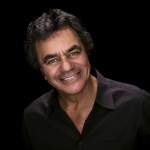
Frank Vincent Zappa 21 Frank Vincent Zappa (Frank Vincent Zappa December 21, 1940 – December 4, 1993) – American composer, singer, multi-instrumentalist, producer, songwriter, musician, experimenter, as well as sound and film director. For more than thirty-year career covered such genres as rock, jazz, academic and concrete music. The Mothers of Invention, He has released more than 60 studio albums, recorded as with his band The Mothers of Invention, as well as a solo artist. A self-taught musician. More fond teenager rhythm and blues, as well as the works of avant-garde artist Edgar Varese. While studying in high school began to compose symphonies and playing drums in rhythm and blues band, which later moved to the electric guitar. CA mixture of various musical genres has led him to create music that was often impossible to classify to any one style. Freak Out! His debut album Freak Out! 1966 was a combination of rock and roll songs with different improvisations and studio sound effects. His later albums shared this eclectic and experimental approach, and regardless of whether the main genre of rock, jazz or classical music. The satirical lyrics of their songs sharply criticized general education and religion, at the same time protecting the freedom of speech, advocated self-education and participation in political life, opposed to censorship. Several Zappa album was a commercial success, particularly in Europe, because of this he could over the bo? Proc eed of his career working independently of record labels. Works Zappa found a wide response among music critics and had a marked influence on the works of many important composers and performers. Grammy Lifetime Achievement Award. Zappa was posthumously introduced in the Rock and Roll Hall of Fame in 1995, and his career in 1997 received an award Grammy Lifetime Achievement Award. In addition to musical activities also produced several feature films. Zappa was married twice. Marriage with Catherine Jay Sherman lasted from 1960 to 1964. Zappa had married a second time in 1967 at Adelaide Gail Sloatmen with whom he lived until his death from prostate cancer in 1993. Dweezil Zappa), Ahmet Zappa) Diva Zappa). Zappa have four children: Moon Dvizl (Eng. Dweezil Zappa), Ahmed (Eng. Ahmet Zappa) and Diva (Eng. Diva Zappa). Zappa Family Trust. The widow Gail Zappa is a management fund Zappa Family Trust. early years Frank Zappa was born in Baltimore (Maryland) December 21, 1940. His mother, Rosa Maria Kolimor was three-quarters of the Italian and one French-born, and his father Francesco Vincent Zappa was an immigrant from the Sicilian town of Partinico and had Greek and Arabic roots. Zappa was the eldest of four children. The family moved often because his father, Frank, who was a chemist by training and mathematician, worked at a defense plant in Florida. After a while, the family returned to Maryland, where Zappa’s father worked at the Edgewood Chemical Plant, is the object of Aberdeen Proving Ground. Because of the proximity to the mustard gas stockpiles in the house constantly kept gas masks. This fact is reflected in the numerous Zappa songs about germs, bacteriological weapons and on the defense industry. As a child, Frank was often sick, suffering from asthma, otitis media and sinusitis. The doctor treated him for sinusitis, inserting a pellet of radium into each of his nostrils, because little was known about the potential danger of even small amounts of therapeutic radiation. Cal Schenkel). Images of the nose are also often present in the music and lyrics, as well as Zappa album covers created by his employee Cal Schenkel (Eng. Cal Schenkel). Many of Zappa’s childhood diseases may be linked to exposure to mustard gas. Health Zappa has deteriorated sharply since moving to Baltimore. Naval Postgraduate School). In 1952, for health reasons son family moved to Monterey (California), where his father taught metallurgy in the military – Maritime College (Eng. Naval Postgraduate School). El Cajon, California), Soon the family moved first in Claremont, then to El Cajon (Eng. El Cajon, California), until finally he settled in San Diego. Musical influences San Diego Zappa joined his first school band, where he played as a striker. Around the same time, his parents bought him a phonograph, which helped assemble a large collection of recordings, which he kept until his death. Frank was interested in the sounds of instruments themselves, especially the sound of drums and percussion. At age 12, he bought a snare drum and began to learn the basics of orchestral percussion. Look (Look (American magazine)) Sam Goody (Sam Goody), LP, The Complete Works of Edgard Varese, Volume One. Deep interest Zappa to contemporary classical music began when he read a magazine article Look (Eng. Look (American magazine)) of network music stores Sam Goody (Eng. Sam Goody), where you could buy these previously unknown LP, as the The Complete Works of Edgard Varese, Volume One. Ionisation, EMS Recordings (EMS Recordings), According to an article in the sound of percussion composition Ionisation, created in studio EMS Recordings (Eng. EMS Recordings), described as “a chaotic mess of percussion in combination with other unpleasant sounds.”After reading this article, Zappa decided to look for wheels Edgar Varèse, one year managed to find one of the albums (omen for the findings was a”mad scientist”, depicted on the cover). Not having enough money, Frank persuaded seller to borrow a record discount. Thus began a lifelong passion for the music of Frank Varese. Halim El-Dabh), The Medallions Zappa grew up under the influence of avant-garde composers such as Edgard Varèse, Halim El Dubh (Eng. Halim El-Dabh), Igor Stravinsky, Anton Webern, as well as modern jazz, rhythm and blues and doo-screaming (including The Medallions and local groups Pachuca). Multiethnic origin, multinational and heterogeneous socio-cultural environment of Greater Los Angeles played a crucial role in the formation of Zappa as an underground musician, open mistrust relating to mainstream both in music and in society and politics, in particular, his works repeatedly ridiculed such music styles like psychedelia, rock opera and disco. Television has also had a significant impact on the work, as evidenced by excerpts from TV shows and commercials in the later works. Youth and early career (1955-1960) Antelope Valley)In 1956, the Frank family moved to Lancaster in the Antelope Valley (Eng. Antelope Valley) near Edwards Air Force Base. Frank’s mother disapproved of interest in music, and although she did not like the music of Varese, she allowed her son on the day of his fifteenth call long-distance communication Varese. Deserts, Varese was at that time in Europe, but was able to talk to his wife of the composer, within Varèse wrote Zappa letter in which he thanked for the interest in his work, spoke about the plans of work on the composition of Deserts, and invited Frank to visit his concert in New York. The meeting never took place (Varèse died in 1965), but the letter Varèse, Zappa signed a frame and kept all his life. Antelope Valley High School (Antelope Valley High School) The Antelope Valley High School (Eng. Antelope Valley High School) Zappa met Don Vliet (who later added the prefix to the name of Van and took the stage name”Captain Beefheart”). Zappa and Vliet became close friends, was interested in rhythm – blues and affect each other throughout their musical career. The Blackouts. Around the same time, Zappa started playing the drum kit in a local band called The Blackouts. The Mothers of Invention. It comprises including James Sherwood, who later became a member of the band The Mothers of Invention. Zappa’s interest in the guitar grew steadily, and in 1957, Zappa received his first instrument. Among his early musical influences guitar said John Watson, Howlin ‘Wolf and Clarence Brown. Zappa likened playing lead guitar with the”construction of air sculptures”, subsequently formed his own eclectic, innovative and improvisational style of playing the instrument. Zappa’s interest in the creation of music and arrangements noted in past school years, when Zappa, he said, was engaged in arranging and producing avant-garde pieces for the school orchestra. Antelope Valley High School, Freak Out. In 1958, Frank graduated from Antelope Valley High School, in 1966, put his two professors of music on the cover of the album Freak Out. Because of the constant relocations Frank family was, at least at six different universities, in which, as a student, often distracted by other students are busy with their antics. After studying for only one semester, Frank left college, causing subsequently began to despise general education. As proof of his point, he took his fifteen years of children out of school because he refused to pay for his studies. Echo Park, Los Angeles). Zappa left home in 1959 and moved to a small apartment in the Los Angeles Eco Park (Eng. Echo Park, Los Angeles). Pomona College), Zappa, along with Kathryn J. Sherman, whom he met during his short stay at Pomona College (Eng. Pomona College), moved to California, Ontario, where the December 28, 1960 they were married. Zappa worked for a short period of time in the advertising business, which gave him valuable information about how it functions as a consequence throughout his career, Zappa paid attention to visual presentation of their work, independently produced several covers of his music albums, oversaw the creation of films and video clips. Studio Z (1960-1964) The early sixties: Studio Z (1960-1964) The Blackouts. Zappa was trying to make a living as a musician and composer, playing gigs in various night clubs with the new group The Blackouts. The World’s Greatest Sinner (1962) Run Home Slow (Run Home Slow)(1965). The commercially most successful professional recordings were made for the two low-budget films The World’s Greatest Sinner (1962) and Run Home Slow (Eng. Run Home Slow) (1965). Timothy Carey), Before these two films Zappa worked on the soundtrack for the film, Timothy Carey (born. Timothy Carey), which were recorded in 1961. This film contains many themes that appeared on later Zappa records. The Lost Episodes (The Lost Episodes) 1996 Last soundtrack was recorded in 1963 after the completion of the film, but found the track of 1959, excerpts from the soundtrack can be heard on the album Zappa’s The Lost Episodes (English. The Lost Episodes) 1996. During the 60s, Zappa composed and wrote songs for other artists, working with Ray Collins and Paul Buff. Memories of El Monte (Memories of El Monte), The Penguins (The Penguins), Song Memories of El Monte (Eng. Memories of El Monte), composed by Ray Collins and Paul Buff, was recorded group The Penguins (Eng. The Penguins), despite the fact that the compositions marked only Cleve Duncan. Pal Recording Studio (Pal Recording Studio), Paul Buff owned a small recording studio Pal Recording Studio (Eng. Pal Recording Studio), which included five recorders made by the head of the firm. While only a few of the most sophisticated commercial studios had the opportunity for multi-track recording, as the standard was still mono or two-track. Despite the fact that none of the records of this period has not reached great commercial success, Zappa earned enough money to fulfill his concert orchestral music in 1963 and record it during the live broadcast. Steve Allen), In the same year Zappa appeared in the night show of Steve Allen (Eng. Steve Allen), in which he used a bicycle as a musical instrument. The Soots. With Captain Beefheart, Frank wrote several songs included in a compilation called The Soots. Dot Records (Dot Records), These recordings were rejected by Dot Records (Eng. Dot Records), because “had no commercial potential.”Freak Out!. This incident was imprinted on one of the songs on the album Freak Out !. Pal, Overdubbing) Reel-to-reel audio tape recording), After the divorce from his first wife in 1964, Zappa moved into the recording studio Pal, where he began to regularly work 12 or more hours a day, experimenting with overlay (Eng. Overdubbing) and pasting (Eng. Reel-to-reel audio tape recording ), these techniques and their analogues Zappa used throughout his career. Original Sound (Original Sound) Art Laboe). Receiving income from songs to movies, Zappa rented the old studio of Paul Buff, who worked on another label Original Sound (Eng. Original Sound), together with Art Labo (Eng. Art Laboe). Studio Z. Studio Z Motorhead» The studio was later called Studio Z. Studio Z rarely was leased by other musicians, so it moved many friends Zappa, in particular James «Motorhead» Sherwood. The Muthers Zappa started performing as a guitarist in the Power-trio called The Muthers to get any money to exist. In 1965, a local newspaper published an article described Zappa as”the King of Cucamonga movies”, it aroused the suspicions of the police, believing that Zappa takes pornographic films. In March 1965, Frank turned to the secret police with a request to accept an offer of $ 100, so he created a song for a porn film. Zappa accepted the offer, and together with a friend recorded a fake erotic scene. When Zappa was ready to give the cassette, he was immediately arrested, and all written materials confiscated by the police. Daily Report Press this event was prepared in advance by writing the next day in the newspaper Daily Report that”Friday undercover investigators caught distributors of pornographic films, which have been the scene of free swing, eliminating the studio and producer arrested – the pretender.”Zappa was charged with”illegal distribution of pornography.”For a criminal offense musician he was sentenced to six months in prison, but in less than ten days, he was released. This short prison played a key role in the formation of a negative assessment of authoritarianism. Studio Z, During the trial Zappa lost several recordings made at Studio Z, as the police returned only thirty hours of film of the eighties. Ultimately, Zappa could not afford to pay for rent studio and was removed from the record. Subsequently, managed to return more of the records, but in 1966 the building was demolished studio. The Mothers of Invention (1964-1975) Period The Mothers of Invention (1964-1975) The Soul Giants In 1965, a little-known singer group The Soul Giants Ray Collins invited Zappa guitarist instead of the past. The Mothers of Invention. Zappa agreed, quickly becoming the leader of the group: it convinced the musicians to play his stuff, renamed the group The Mothers of Invention. Verve Records Freak Out. In 1966, a group funded by Tom Wilson recorded on the label Verve Records debut album – Freak Out. Billboard 200 received a certain recognition (30 thousand. copies, in 1967 rising on the Billboard 200 and the 130-th position). Freak Out! During the recording of Freak Out! Laurel Canyon, Los Angeles). Zappa moved to a new home in the Los Angeles area of Laurel Canyon (Eng. Laurel Canyon, Los Angeles). Pamela Zarubica), We’re Only in It for the Money Uncle Meat Suzy Creamcheese), In this house he lived at first with Zarubikoy Pamela (Pamela Zarubica), who voices on the album We’re Only in It for the Money and Uncle Meat character Susie Krimchiz (Eng. Suzy Creamcheese), this house became a meeting place (and life) to many musicians in Los Angeles and groupies of the time, although Zappa disapproved of drug use by guests. assholes in action», Narcotics Zappa pejoratively called «assholes in action», and even tried marijuana a few times without any pleasure. At the same time, Zappa was a heavy smoker for most of his life and has repeatedly criticized the anti-smoking campaign. Freak Out! In 1966, after a short promotional tour in support of the Freak Out! Gail Zappa), Zappa met Adelaide Gail Sloatmen (Eng. Gail Zappa), the summer she moved into his house, and in 1967 they married, Frank Zappa and Gail Zappa lived together until his death in 1993, Zappa together raised four children. The Mothers of Invention – Absolutely Free. In 1967, the Wilson produced the second album The Mothers of Invention – Absolutely Free. Lumpy Gravy, Capitol Records At the same time Zappa with the orchestra recorded the material for his solo album Lumpy Gravy, released by Capitol Records in 1967. Due to contractual problems album release was delayed for a long time. Taking advantage of this opportunity, Zappa greatly altered the contents of the disc by adding a new recorded, improvised dialogue. Verve After the contractual issues have been resolved, the album was re-released in 1968, Verve. This work was”incredibly ambitious musical project”,”a monument to John Cage,”which intertwined academic music, the spoken word and electronic noise by using experimental methods for sound editing. The period from late 1966 until 1968, Zappa and his wife and a group held in New York, with a break for the only European tour. We’re Only in It for the Money, Cruising with Ruben & the Jets Uncle Meat. During this period, the band played a great series of concerts and recorded three albums: We’re Only in It for the Money, Cruising with Ruben & the Jets and Uncle Meat. We’re Only in It for the Money (Sgt. Pepper’s Lonely Hearts Club Band) Cal Schenkel), Cover We’re Only in It for the Money (parody cover of Sgt. Pepper’s Lonely Hearts Club Band) was created Cal Schenkel (Eng. Cal Schenkel), with whom Zappa met in New York. The Mothers of Invention. This meeting marked the beginning of a lifelong collaboration in which Schenkel created covers for numerous Zappa albums and the group The Mothers of Invention. The Mothers of Invention In late 1969, the band The Mothers of Invention disintegrated. The main reason the disintegration Frank often pointed to financial difficulties caused by the confusion of the band in musical direction, as well as the lack of a large creative potential of the band members. Another reason for the collapse of the group, according to its former members have become mutual claims between them and Zappa. In particular, members were dissatisfied with the”dictatorship”Zappa, referring to the fact that Frank”perfected their style at the expense of human feelings.” Weasels Ripped My Flesh (Weasels Ripped My Flesh) Burnt Weeny Sandwich (Burnt Weeny Sandwich) (The remaining recording group were released in the form of two collections under the names Weasels Ripped My Flesh (Eng. Weasels Ripped My Flesh) and Burnt Weeny Sandwich (Eng. Burnt Weeny Sandwich) (both released in 1970). Hot Rats. After the group disbanded in 1969, Frank Zappa, Frank released the most famous solo album Hot Rats. The recording was attended by many well-known musicians, including violinist Don”Shugarkeyn”Harris, drummer John Guerin (Eng. John Guerin) and Paul Humphrey (Eng. Paul Humphrey), multi-instrumentalist and former member of the band The Mothers of Invention Ian Underwood, bass -gitarist Shaggy Otis (born. Shuggie Otis), as well as Captain Beefheart, whose vocals were recorded for a single song Willie the Pimp. In 1970, Zappa formed a new composition of The Mothers, which included drummer Aynsley Dunbar, keyboardist George Duke (eng. George Duke), multi Ian Underwood, bass player and rhythm guitarist Jeff Simmons (English. Jeff Simmons (musician)), as well as three members of the group The Turtles: bass player Jim Pons (Eng. Jim Pons), and vocalists Mark Folman (Eng. Mark Volman) and Howard Keylan (Eng. Howard Kaylan). This part of The Mothers debuted on Zappa’s next solo album Chungas Revenge, which was a double album for the film 200 Motels (Eng. 200 Motels). In this film involved a group The Mothers, The Royal Philharmonic Orchestra, Ringo Starr, Theodore Baykel (Eng. Theodore Bikel) and Keith Moon. After the film 200 Motels band went on tour, which resulted in two live albums: Fillmore East – June 1971 and Just Another Band From LA’s latest album includes a twenty-minute song Billy the Mountain (Eng. Billy the Mountain), which was a satire on rock -operu, arranged in Southern California. In December 1971, the group The Mothers come to Switzerland to give several concerts Casino de Montreux (Eng. Casino de Montreux). During a speech at the Casino de Montreux there was a fire, which resulted in the casino and instruments group The Mothers were destroyed. This event and its effects can be heard on bootleg Swiss Cheese / Fire, which was released as part of the compilation Beat the Boots II (Eng. Beat the Boots II). After a week’s break, The Mothers group performed at London’s Rainbow Theatre (Eng. Rainbow Theatre), renting a musical instrument. During the encore, one of the fans pushed Zappa from the stage to the concrete floor of the orchestra pit. As a result, Zappa suffered serious head injuries, back, legs and neck, as well as the splitting of the ligaments of the larynx, because of which he appeared for six months in a wheelchair. During the break, it was released two solo jazz album Zappa: Waka / Jawaka and The Grand Wazoo (Eng. The Grand Wazoo). While Zappa was in a wheelchair, The Mothers were in limbo, and eventually formed the core group of Flo & Eddie, with whom they went to their tour. After releasing two solo jazz albums Wakka / Jawaka and The Grand Wazoo Zappa began to tour with a small group in which at different times were considered multi Ian Underwood percussionist Ruth Underwood (Eng. Ruth Underwood), a trumpeter and vocalist Sal Marquez, saxophonist and vocalist Napoleon Murphy Brock (born. Napoleon Murphy Brock), trombonist Bruce Fowler (born. Bruce Fowler), bassist Tom Fowler (born. Tom Fowler (musician)), drummers Chester Thompson (Eng. Chester Thompson) and Ralph Humphrey, keyboardist George Duke and violinist Jean-Luc Ponty (Eng. Jean-Luc Ponty). At that time, we were released albums Over-Nite Sensation (Eng. Over-Nite Sensation), Roxy & Elsewhere, One Size Fits All (Eng. One Size Fits All), as well as solo platinku Zappa called Apostrophe (‘), which reached tenth place in the chart Billboard. In 1975, Zappa released the album Bongo Fury (Eng. Bongo Fury), which included live recordings of the tour, during which Frank reunited for a short period of time with Captain Beefheart. Bongo Fury was the last album the group The Mothers, whereupon Zappa all its subsequent groups began to call just Zappa. Business breaks and tours (1976-1979) The relationship with Frank Zappa’s old manager Herb Cohen ended in 1976. Zappa sued Cohen for fraud is quite a large sum of money is at DiscReet Record (Eng. DiscReet Records), as well as the signing of the actions that have not been approved by Frank. In turn, Herb filed a counterclaim, according to which all accounts Zappa and Cohen were frozen until the court is not received agreement from the MGM Records (Eng. MGM Records) about copyright in the recording The Mothers of Invention. According to the counterclaim Zappa also prohibit access to any previously recorded material during the trial period. Due to the prevailing circumstances Zappa took his finished copy rock album Zoot Allures (Eng. Zoot Allures) company Warner Bros, thus bypassing the lawsuit chapter DiscReet Records. In the mid-70s Zappa prepared material for the album Lather (pronounced like the word leather). This album encompasses all the major aspects of musical styles Frank Zappa – rock songs, orchestral arrangements, complex instrumental songs and branded guitar solos. Fearing lawsuits for this album, the company Warner Bros Records refused to release it. Frank was able to negotiate the release of the album with the company Phonogram Records (Eng. Phonogram Records), and the release date was scheduled for Halloween 1977, but the company Warner Bros. disrupted output records, motivating their actions by saying that the copyright for the material belongs to her. On this occasion, Zappa said, appearing on the California radio station KROQ (Eng. KROQ-FM), which allows them to transfer album Lather and encourages listeners to make their own music tracks. In the course of litigation between Zappa and Warner Bros. company the new material is not produced more than a year. Nonetheless, Warner Bros. It has released a limited edition version of the album material different Lather in 1978 and 1979 in the form of four separate plates (five full-length LP). Four separate albums are not included in the third compilation album The Old Masters (eng. The Old Masters), released in 1987. When the music first appeared on CD in 1991, Zappa decided to release four separate album. Full version of the album was released posthumously Lather in 1996. Although Zappa eventually got the rights to all materials created under the auspices of MGM and Warner Bros. lawsuits have assumed that he paid the amount received from the funds in support of the album Lather, which was done largely in the 1975-1977 years, touring with a small group, which is focused on rock music. This group joined drummer Terry Bozzio, a former member of the band The Mothers of Invention bassist Roy Estrada, as well as for some time, Napoleon Murphy Brock saxophonist (born. Napoleon Murphy Brock). Among the other band members were bassist Patrick O’Hёrn, vocalist and guitarist Ray White (Eng. Ray White) and keyboardist Eddie Jobson. In December 1976, Zappa appeared as a guest a guest on NBC’s television show called Saturday Night Live. Speech included improvised music with the participation of actor John Belushi in the instrumental piece The Purple Lagoon. Belushi appeared after his character Samurai Futaba (Eng. Saturday Night Live Samurai) played the saxophone with Frank. Zappa song I’m the Slime was presented to the public overs SNL announcer Don Pardo (born. Don Pardo), which is the same broadcast also included a song Peaches En Regalia. At the same time, a group of Zappa’s band, augmented by Ruth Underwood (Eng. Ruth Underwood) and wind instruments with Michael and Randy (Eng. Randy Brecker) belt, concerts are held during New York’s Christmas recording which appeared on one of the albums released by Warner Bros. named Zappa in New York (Eng. Zappa in New York) in 1978. This album is a mixture of strong instrumental compositions such as The Black Page, and humorous songs like Titties and Beer. The title track, written originally for the drum, which was later modified for larger groups, is known for its complex rhythmic structures and short, highly arranged passages. The new album also features a song about sex maniac Michael Hubert Kenyon named”Illinois Enema”provided Don Pardo as an open story. Like many songs on this album contains many sexual allusions, which led many critics to the objection and insult. Zappa has ignored the criticism, noting that he was a journalist, a denunciation of such a life, which saw its eyes. Before the ensuing struggle with censorship Frank spoke as follows:”As you are creating a society that is so primitive that it clings to the belief that some words are so true that they can spoil you the moment you hear them?”. Rest of the album, released by Warner Bros. without the consent of Zappa began Studio Tan (Eng. Studio Tan) (1978) and Sleep Dirt (Eng. Sleep Dirt) (1979), which consisted of complex sets of instrumental melodies, recorded between 1973 and 1976. Their release was delayed for a long time because of problems with copyright. Also, without the consent of Zappa’s 1979 album was released Orchestral Favorites (Eng. Orchestral Favorites), which was a recording of the concert with the orchestra in 1975. Getting independent solo career (1979) Allowing successful claim, Zappa finished 70th”stronger than ever”, releasing two of the most successful albums in 1979: the most sold in his career Sheik Yerbouti (Eng. Sheik Yerbouti) and”a bona fide masterpiece”called Joe’s Garage . The double album Sheik Yerbouti was first released on the new label Zappa Records (Eng. Zappa Records), and the song Dancin ‘Fool, which reached 45 positions in the chart Billboard, was nominated for a Grammy Award. Song Jewish Princessiz album Sheik Yerbouti attracted the attention of Anti-Defamation League, is trying to prevent its rotation on the radio, because, according to representatives of the organization, lyrics promoted anti-Semitism. Zappa vehemently denied any anti-Semitic sentiments and described the ADL, as”a noisy company, which is trying to put pressure on people to create a Jewish stereotype corresponding to their ideas of a good life.”The commercial success of the album was due, in particular, the song Bobby Brown (Eng. Bobby Brown (song)) ‘. In connection with the detailed text about meeting a young man with”a lesbian named Freddy ‘song did not get airplay in the US, however, it topped the charts in many European countries where English is not their native language. In the triple album Joe’s Garage voice of singer Ike Willis (born. Ike Willis) belonged to no one character named Joe, who talked about the danger of political systems, the suppression of freedom of speech and music, the Islamic revolution in Iran, which declared music while illegal activities within their jurisdiction and the”extraordinary relationship Americans have sex and revelations.”The album contains such rock songs like Catholic Girls (retaliatory strike on disputes about the song Jewish Princess), Lucille Has Messed My Mind Up and the title track, extended by a live guitar improvisation and playing musicians from backup studio band led by drummer Vinnie Kolayutoy ( with whom Zappa had a good understanding of music) in the process ksenohronii (Eng. Xenochrony). The album contains one of the most famous guitar plays Zappa called Watermelon in Easter Hay. December 21, 1979 in New York premiers Frank Zappa called Baby Snakes (Eng. Baby Snakes). The film was dedicated to”people who do crazy things.”Almost three-hour film consists of footage from New – York concert in 1977, with the participation of keyboardist Tommy Mars (Eng. Tommy Mars) and percussionist Ed Mann (Eng. Ed Mann), and guitarist Endriana Bellew. The film also contains some unusual episodes involving clay animation of Bruce Bickford (Eng. Bruce Bickford (animator)), which had previously been presented on television in 1974 (they later became available on video for The Dub Room Special (eng. The Dub Room Special) 1982). The film did not go to the theaters, but won the Grand Prix at the First International Music Festival in Paris in 1981. Foundation The Zappa Family Trust (Eng. Gail Zappa) released the film on DVD, but only became available in 2003. Later, Zappa made several appearances on television shows. He voiced scenes in”fabulous theater Shelley Duvall,””Miami Vice” and”The Ren & Stimpy Show”. Voice acting is one of the episodes in the series”The Simpsons”did not take place to the disappointment creator Matt Groening (Groening Zappa was a neighbor and loyal fan of his work). 80: productive than ever In 1980, Zappa broke his ties with the company Mercury Records after the label refused to release the song I Do not Wanna Get Drafted. In North America, the song was released on Zappa Records (Eng. Zappa Records), and at the international level – by CBS Records. After touring most of 1980, Zappa in 1981 released an album Tinsel Town Rebellion (Eng. Tinsel Town Rebellion). The CD was first released on his own label Zappa called Barking Pumpkin Records (Eng. Barking Pumpkin Records) and consisted of songs performed on tour in 1979, one track studio and materials touring in 1980. The album is a mixture of complex instrumental music and use shprehgezanga (Eng. Sprechgesang) (a call during a song). A similar vocal technique used by such composers as Arnold Schoenberg and Alban Berg. Using this unusual technique Zappa, still way, I decided to demonstrate musical experience members of their own group. Meanwhile, some of the text raised the buzz among critics, finding in them elements of sexism, as well as political and sociological satire on the title track of the album and the song The Blue Light. The songs were described as”cheerful willingness to criticism of American society to believe in anything.”The album is also notable for the fact that his record was guitarist Steve Vai, who joined the touring band of Frank the fall of 1980. In the same year he released the double album You Are What You Is (Engl. You Are What You Is). Much of the album was recorded in the new studio Zappa called Utility Muffin Research Kitchen (Eng. Utility Muffin Research Kitchen), is in his house, thus giving the musician the freedom of work. The album includes a complex instrumental song titled Theme from the 3rd Movement of Sinister Footwear, however, the main focus was on rock songs with Zappa’s sardonic social commentary – satirical texts aimed at teens, the media, religious and political hypocrisy. Song Dumb All Over – tirade on religion, as well as the composition Heavenly Bank Account, in which Zappa protests televangelistov such as Jerry Falwell and Pat Robertson, supposedly affecting the US administration and the use of religion as a means of enrichment. Songs such as the Society Pages and I’m a Beautiful Guy, indicate concern regarding the Reagan era Zappa and his”dirty persecution of wealth and happiness.”In 1981, Zappa also created three instrumental albums: Shut Up ‘N Play Yer Guitar, Shut Up’ N Play Yer Guitar Some More, and The Return of the Son of Shut Up ‘N Play Yer Guitar, which were originally sold to order, but later They were released on CBS’s connection with the great popularity. In these albums focus exclusively on Frank guitar work, the composition of which is”live”recordings from 1979 to 1980, underlining the improvisational skills Zappa with”beautiful performances accompanying the band.” Other exceptional guitar album Guitar (Eng. Guitar (Frank Zappa album)) was released in 1988, and Trance-Fusion (Eng. Trance-Fusion) – posthumously in 2006. From the hit singles to classical music In May 1982, Zappa released the album Ship Arriving Too Late to Save a Drowning Witch (Eng. Ship Arriving Too Late to Save a Drowning Witch), whose song Valley Girl (Eng. Valley Girl (song)) was the biggest-selling single ever , she was nominated for a Grammy Award and reached the 32 position in the chart Billboard. In improvised the lyrics daughter of Frank Zappa named Moon ridicules vapid speech girl – a teenager from the San Fernando Valley, popularized many such sociolect Valley San – Fernando as”shut my mouth with a spoon”,”course fer course fer””Grod ‘( fat) and”vomit out”. Most Americans, who knew Frank recently due to its successful singles, is now thought of him as a man writing”small cheap goods”, despite the fact that the rest of the album contains a very complex music. Zappa was irritated by it and never performed this song live. In 1983 he was released two works, one of which was rock album The Man from Utopia (Eng. The Man from Utopia). The eclectic album contained the vocal parts in songs Dangerous Kitchen and The Jazz Discharge Party Hats, and the continuation of shprehshtim (Eng. Sprechgesang) – travel Tinseltown Rebellion. The second album, London Symphony Orchestra, Vol. 1 contained Zappa compositions, performed by the London Symphony Orchestra under the direction of conductor Kent Nagano. The second record of these sessions was the album London Symphony Orchestra, Vol. 2, released in 1987. The material was recorded in a short time at the expense of the provision of funds received from the commercially successful single, Valley Girl. Zappa was unhappy with the London Symphony Orchestra records. One reason is the song Strictly Genteel, which was recorded after the section of wind instruments went for a drink during a break: track took 40 edits to hide unwanted notes. Conductor Nagano was pleased with this experience, and noted that”courtesy to the orchestra and music from the point of view of human energy is quite a difficult thing.”Some reviews noted that Zappa recording with the orchestra still remained the epitome of the best music in the artist’s career. In 1984, Zappa once again teamed up with Nagano and Berkeliyskoy Philharmonic live performance titled A Zappa Affair. During this performance were advanced orchestra, a life-size puppets and moving scenery. Although critics have recognized the performance a flop in commercial terms, it was only twice. After the speech, Zappa was invited to the conference organizer Thomas Wells (Eng. Thomas Wells (composer)) for the report on the meeting of the American Society of Composers at Ohio State University. It was there that Zappa said his famous phrase”Bingo! Do you have a permanent position!”, And also performed with symphony and chamber orchestra kolambusovskim (Eng. Columbus Symphony) and two plays Dupree’s Paradise and the Naval Aviation in Art ?. For the remainder of Zappa’s career, most of the works were influenced Synclavier (Eng. Synclavier) as a composer and a working tool. Given the complexity of the music created by Frank Synclavier carried out almost everything that could be invented. Synclavier could be programmed to be perfectly reproduced any melody: Frank Zappa: With Synclavier any group of imaginary instruments can be invited at any time to perform the most difficult passages with an accuracy of one millisecond. Thanks to the new instrument Artist essentially committed to the need for musicians as Frank looked Synclavier and present artists individually. In 1984, Zappa released four albums. Album Boulez Conducts Zappa: The Perfect Stranger contains compositions written with the assistance of the chamber orchestra Ensemble Intercontemporain under the direction of world-renowned conductor Pierre Boulez (whose activities impact on the creation of the album Freak Out!) And performed live together with Synclavier. Zappa was once again unhappy with the performance of his compositions the orchestra, as they seemed to him insufficiently rehearsed, but in the notes of the album, he thanked Boulez for the exact fulfillment of all the requirements. Plays performed on Synclavier, differ from that played by the orchestra, from the fact that the sounds generated electronically not how soon it became possible due to sampling. The album Thing-Fish (Eng. Thing-Fish) was the ambitious trёhdiskovym collection in the style of Broadway productions, converts to the dystopian”what if”, involving a feminism, homosexuality, the creation and spread of AIDS, as well as eugenics carried out by the US government. New vocal recording combined with previously released songs and music written in Synclavier. This work has become a shining example of bricolage. Finally, in 1984, Zappa released the album Francesco Zappa (Eng. Francesco Zappa (album)), which was a performance on Synclavier the composer of the XVIII century, Francesco Zappa (born. Francesco Zappa) (which has no relation to the old Frank), and well plate Them or Us (Eng. Them or Us), two-disc compilation heavily edited live and session records. Testimony in the US Senate September 19th, 1985, Zappa testified before the commercial, technological and transport committee of the US Senate, criticized the Parent Center for music production, co-founder of which was Tipper Gore (Eng. Tipper Gore), the wife of then-Senator Al Gore. This organization, created on contentious issues with respect to sexist and satanic content in the lyrics, were mostly the wives of politicians, including representatives of the five members of the committee. Zappa knew that his activity – a direct path to censorship, so he called the committee a proposal for the voluntary labeling of records (Eng. Parental Advisory) with open content”extortion”of the music industry. In his statement, he said: Frank Zappa: Offer center is ill-conceived part of the absurd, which does not bring real benefits to children, violate the civil rights of people who are not children, and lead to the congestion of the courts for years, with business problems with enforcement and interpretations related to the idea of the project. It is my understanding that the questions about the first amendment to the law are solved preference least restrictive alternative. Therefore PMRC demands are the equivalent of treating dandruff by means of decapitation … The basis of assessment, voluntary or other objects opens the door to endless moral quality control programs on the basis of certain things that do not like Christians. And what if the next group of Washington wives require large yellow stars on all materials that have been written or created by Jews, to save helpless children from exposure to concealed Zionist doctrine? Zappa put quotes from his hearing in a composition written in Synclavier (Eng. Synclavier), titled Porn Wars on the album in 1985 Frank Zappa Meets the Mothers of Prevention (Eng. Frank Zappa Meets the Mothers of Prevention), a full record of which has been released in 2010, as Congress Shall Make No Law …. Listening to Zappa was held in cooperation with Senators Fritz Hollings, Slade Gorton Al Gore (who at the hearing argued that a fan of Zappa) and Paula Hawkins claims that the toys the Zappa children better not to play. Zappa expressed an opinion about censorship, when he appeared on CNN in the transfer Crossfire (Eng. Crossfire (TV series)) and discussed the problems of the newspaper Washington Times reporter John Lofton (born. John Lofton) in 1986. Passion Zappa US policy is becoming more a part of his life. He always inspired album covers his fans to go to a vote, and during 1988 his concerts were the registration booth. He even considered as a candidate for the US presidency. In 1991, Zappa still announced his candidacy for the US presidency, but was forced to leave it because of prostate cancer. Reissue old albums and the last tour Around 1986, Zappa had a program for the full re-release of his early LPs. He personally oversaw the remastering of his albums in the new digital CD. Certain aspects of these reissues, however, have been criticized by some fans calling betrayal remastered original recordings. Almost twenty years before the online music stores, Zappa proposed to replace the”sale of recorded music”to”direct transfer of digital media from one to the other”via the telephone or cable TV (through license account and automatically integrated into the software counter). In 1989, Zappa described the idea as”a miserable failure.”In 1987 album Jazz from Hell (Eng. Jazz from Hell), released in 1986, brought Frank first Grammy for the best performance in the genre of instrumental rock. Except for one guitar solo, the album contains compositions written exclusively on Synclavier (Eng. Synclavier). Despite the fact that the instrumental album did not contain lyrics, music stores selling album with the label”frank content”- a warning which was introduced by the American Association of Recording Industry of America Agreement Parental center for music production. Zappa’s last tour in the jazz-rock format was held in 1988 with 12 members of the group, whose repertoire consisted of more than 100 songs, but broke even before its completion due to aggravated health problems. Entries tour hit the album Broadway the Hard Way (Eng. Broadway the Hard Way) (new material, containing songs with strong political emphasis), The Best Band You Never Heard in Your Life (Eng. The Best Band You Never Heard in Your Life ) (“standards”by Frank Zappa and eclectic collection of cover versions of famous songs from Bolero by Maurice Ravel and ending song Led Zeppelin’s called the Stairway to Heaven) and Make a Jazz Noise Here (Eng. Make a Jazz Noise Here) (in mostly instrumental and avant-garde music). Part of the tour recording can also be found on the 4 and 6 volume album You Can not Do That on Stage Anymore. 90: Classical and death In early 1990, Zappa visited Czechoslovakia at the request of President Vaclav Havel as a consultant for trade, culture and tourism. Havel was a lifelong fan of Frank, whose work had a great influence on the avant-garde and underground music of Central Europe ’70s and’ 80s (the Czech rock band The Plastic People of the Universe (Eng. The Plastic People of the Universe), who was arrested in 1976, got its name from the song Zappa Plastic People (Eng. Plastic People) 1967). Zappa gladly agreed and began meeting with corporate officials interested in investing in Czechoslovakia. After a few weeks, but the US administration put pressure on the Czech government with a demand to withdraw from the post of Frank Zappa. Rather than comply with the requirement of the American administration, Havel appointed Frank unofficial cultural attaché. Zappa planned to foster the creation of international companies in order to facilitate trade between the countries of the former Eastern bloc and Western companies. 24 June 1991 Zappa took part in a concert titled Adieu Soviet Army, organized in Prague as a farewell to the last Soviet soldier who remained in Czechoslovakia (the Red Army invaded Czechoslovakia the Prague Spring). Perhaps it was the last performance of Frank on stage, recording which appeared on the album Adieu CA Most of the projects Zappa stopped its development in 1990, when Frank was diagnosed – the last stage of prostate cancer. Tumor quietly developed over ten years of operation in 1991, it has become impossible. After the diagnosis, Zappa spent most of its energy to work for Synclavier and orchestra. Shortly before his death in 1993, Zappa finished his important work on Synclavier called Civilization, Phaze III (Eng. Civilization, Phaze III), which began in 1980. In 1991, Zappa was chosen as one of four major composers of the era at the Frankfurt Music Festival in 1992 (the other three composers became John Cage, Karlheinz Stockhausen and Alexander Knaifel). By Zappa asked German Chamber Orchestra Ensemble Modern (Eng. Ensemble Modern), who was interested in the performance of his music for this event. Despite his illness, Zappa invited the orchestra to Los Angeles for rehearsals of new compositions and new arrangements of old material. Pleased with the performance of his music, Zappa, along with musicians and succeeded in concerts in Germany and Austria, which have been planned for the autumn. In September 1992, concerts were held as expected, but due to illness Zappa could only appear at two in Frankfurt. At the first concert, he conducted the orchestra during the performance of the compositions Overture, G-Spot Tornado, Food Gathering in Post-Industrial America, in 1992 and Welcome to the United States (the rest of the concert conducted by Peter Rundel (eng. Peter Rundel)). After the concert, Zappa made a twenty-minute ovation. This concert will be the last public performance of a professional, as the cancer has spread to such an extent that the disease is caused by too much pain to enjoy the event, which is not otherwise, Frank called”disturbing.”The recording of this concert appeared in 1993 on the album The Yellow Shark, became the latest music releases Zappa in his life, and materials studio rehearsals appeared in 1999 on the posthumous record Everything Is Healing Nicely (Eng. Everything Is Healing Nicely). On Saturday, December 4th, 1993 Frank Zappa died at his home, surrounded by his wife and children. The next day, during the passage of the funeral ceremony closed with musician Zappa was buried at Westwood Village Memorial Park Cemetery in Los Angeles next to the grave of the future actor Liu Aires (Eng. Lew Ayres). On Monday, December 6 family has publicly stated that”Frank Zappa left for his last tour around six o’clock in the evening on Saturday.”Recognition and honor Zappa received wide acclaim among critics. In the book The Rolling Stone Album Guide (Eng. The Rolling Stone Album Guide) wrote that”Frank Zappa actually dabbled in all genres of music, regardless of whether it was satirical rocker, jazz fusion performer, guitar virtuoso, electronic wizard or orchestral innovator – his eccentric genius was undeniable.” Although the work of the musician found inspiration from many different genres, Zappa created compositions integrity and self-expression. In 1971, biographer David Wally said that”the entire structure of his music was united, not clearly separated by date and time sequence, which are assembled in a single composition.”Commenting on the music, political activities and philosophy of Zappa, the 2004 Barry Miles (Eng. Barry Miles) noted that these concepts are inextricably linked to each other:”It was just one part of all its conceptual continuity.”Magazine Guitar Player (Eng. Guitar Player) in 1992, a special issue devoted to Zappa, the cover of which was the question:”Was Frank Zappa best keeper of the secrets of America’s music?”. Editor Don Mann noted that the issue was”the most important composers, who retired from modern popular music.”Among these composers musicologist Nicholas Slonimsky was that conducted the premiere performance of works by Charles Ives and Edgar Varese in the 30s. He met with Zappa in the 80s and said,”I admire all that Frank does, because he actually created a new musical millennium. He does beautiful work … It’s lucky that I have lived until this completely new type of music.” Conductor Kent Nagano said in the same issue that”Frank – a genius. It is a word I rarely use … If Frank is not very strong … He was a very competent person musically. I’m not sure that the general public is aware of it.”Pierre Boulez, said in a magazine article Musician (Eng. Musician (magazine)), that”Zappa was an extraordinary person, because he was a part of the world of classical music and rock, and I want to have survived both the genre.”Many students admitted Frank Zappa one of the most influential composers of his generation. As a guitarist, Zappa is highly appreciated. In 1994, a survey of critics of the jazz magazine Down Beat (Eng. Down Beat) Zappa name was placed in the Hall of Fame of jazz (eng. Hall of fame). Zappa was posthumously introduced in the Rock and Roll Hall of Fame in 1995. There was a sign that”Frank Zappa was a sharp rock and roll musical mind and a very astute social critic. He was the most prolific composer of his age and joined the studio with ease various genres, including rock, jazz, avant-garde and classical music, as well as humor.” In 1997, Frank Zappa was posthumously received the Grammy Award for Lifetime Achievement. In 2005, the National Council for the Conservation of plates (Eng. National Recording Preservation Board) included album We’re Only in It for the Money in the National Registry records (Eng. National Recording Registry) with the comment that”inventive and daring album is a unique and antikonservativnuyu antikontrkulturnuyu political setting, filled with harsh satire on the American hippies and the reaction to this phenomenon.”In the same year, Rolling Stone magazine put Zappa 71 position in the”hundred greatest artists of all time.”In 2011, the same magazine put Frank on the 22 position in the”hundred greatest guitarists of all time.” The impact on artists A number of famous musicians, bands and orchestras of different genres were influenced by the music of Frank Zappa. Such rock musicians such as Alice Cooper, Primus, Phi Weyba (Eng. Fee Waybill) from the group The Tubes recognize the impact of Zappa on their creativity, as well as the group Henry Cow, Trey Anastasio (Eng. Trey Anastasio) from the group Phish and John Frusciante. Paul McCartney saw record Sgt. Pepper’s Lonely Hearts Club Band The Beatles’ as the album Freak Out! Frank Zappa. Such a hard and heavy metal artists as Black Sabbath, Mike Portnoy, Warren DeMartini (Eng. Warren DeMartini), Steve Vai. Strapping Young Lad, System of a Down, Clawfinger and Devin Townsend admitted inspiration Zappa. Such representatives of classical music, as Thomas Ulrich, Meridian Arts Ensemble (Eng. Meridian Arts Ensemble), Ensemble Ambrosius (Eng. Ensemble Ambrosius) and Fireworks Ensemble recognize the impact of Zappa and his compositions are regularly performed. Modern jazz musicians and composers, such as Bill Frisell (born. Bill Frisell), John Zorn and acknowledged inspiration Zappa as funk legend George Clinton. Other artists whose works were influenced by Zappa, were New Age pianist George Winston, composer Bob Gluck (Eng. Robert Gluck), impersonator and comedian”Weird Al”Yankovic, a pioneer industrial music Genesis P-Orridge and noise Executive Akita Masami of Merzbow. Memory in the Culture and Science Scientists of different fields of science Zappa paid tribute by naming new discoveries in his honor. In 1967, paleontologist Leo Jr. Place an extinct mollusk found in Nevada and gave it the Latin name Amaurotoma zappa, citing the fact that”the name of the species – is a tribute to Frank Zappa.” In 1980, biologist Ed Mёrdi Zappa gave the name of the genus goby fishes of New Guinea, as well as the mind Zappa confluentus (Eng. Zappa confluentus). In 1987, the biologist Ferdinando Boero gave the name Phialella zappai (Eng. Phialella zappai) Californian jellyfish, noting that”he would gladly gave the name to view in honor of the contemporary composer.” In the early 80s in Cameroon Belgian biologists Bosman and Bosseler discovered spiders that in 1994 they gave the name Pachygnatha zappa (Eng. Pachygnatha zappa), remarking on”the ventral side of the abdomen of the female of this kind of pattern is strikingly reminiscent of the mustache of the legendary actor.” In 1995, three biologists from Maryland after Zappa called gene bacterium Proteus mirabilis (Eng. Proteus mirabilis), which is the causative agent of urinary infections. At the end of his scientific article they”thanked Frank Zappa for inspiration and assistance to the genetic nomenclature.” In the late 90s, American paleontologists Marc Salak and Halard Lestsinsky opened multicellular fossil, which was named Spygori zappania in honor of the”Frank Zappa … whose mission was similar to the activity of the first paleontologists: to challenge conventional and traditional beliefs, which lacks logic and rational roots”. In 1994, the lobbying efforts made by the psychiatrist John Skiyalli forced the Minor Planet Center, which is under the auspices of the International Astronomical Union to name the asteroid 3834 Zappafrank (Eng. 3834 Zappafrank) in honor of Frank Zappa. The asteroid was discovered in 1980 by the Czechoslovak astronomer Ladislav Brozek, who later gave a comment about the title that”Zappa was an eclectic composer and artist of self-taught … Before 1989, it was considered a symbol of democracy and freedom many people in Czechoslovakia.”In 1995, Vilnius was a bust of Zappa, created by sculptor Konstantinas Bogdanasom. In 2008, a replica of the Lithuanian monument proposed to establish in the city of Baltimore, and 19 September 2010 in honor of the twenty-fifth anniversary Zappa testimony to the US Senate about Southeast ship’s library has been a bust. During the installation of the monument was attended by Gail Zappa (born. Gail Zappa) and Baltimore Mayor Stephanie Rawlings city-Blake (born. Stephanie Rawlings-Blake). In 2002, a bronze bust was installed in the German town of Bad Doberan, and since 1990, hosts the annual music festival Zappanale (Eng. Zappanale). At the initiative of the community of musicians ORWOhaus (Eng. ORWOhaus) in 2007 in Berlin’s Marzahn (Eng. Marzahn) in honor of Frank Zappa was named the street Frank-Zappa-Strase. In the same year in Baltimore Mayor Sheila Dixon (Eng. Sheila Dixon) August 9 officially announced”Day of Frank Zappa,”referring to Zappa’s musical achievements, as well as protection of the First Amendment to the US Constitution. Day Nancy Censorship: Or Freedom of Expression. – Minneapolis: Twenty-First Century Books, Lerner Publications, 2001. – ISBN 0-8225-2628-X Frank Zappa, Captain Beefheart and the Secret History of Maximalism. – Oxford: Salt Publishing, 2005. – ISBN 978-1-84471-059-1 The Rolling Stone Illustrated History of Rock & Roll / DeCurtis, Anthony; Henke, James with Holly George-Warren. – 3rd. – New York: Random House, 1992. – ISBN 0-679-73728-6 Gray Michael Mother! Is the Story of Frank Zappa. – London: Proteus Books, 1984. – ISBN 0-86276-146-8 James Billy Necessity Is. The Early Years of Frank Zappa & The Mothers of Invention. – London: SAF Publishing Ltd. 2000. – ISBN 0-946719-51-9 Lowe Kelly Fisher The Words and Music of Frank Zappa. – Westport: Praeger Publishers, 2006. – ISBN 0-275-98779-5 Martin Bill Avant Rock: Experimental Music from the Beatles to Bjork.- Peru, Illinois: Open Court Publishing Company, 2002. – ISBN 0-8126-9500-3 MacDonald Ian Revolution in the head: The Beatles’ Records and the Sixties. – Fourth Estate Ltd. 1994. – ISBN 1-85702-099-5 Miles Barry Frank Zappa. – London: Atlantic Books, 2004. – ISBN 1-84354-092-4 Slaven Neil Electric Don Quixote: The Definitive Story of Frank Zappa. – London: Omnibus Press, 2003. – ISBN 0-7119-9436-6 Sparks Michael Cocaine Fiends and Reefer Madness: An Illustrated History of Drugs in the Movies. – New York: Cornwall Books, 1982. – ISBN 0-8453-4504-4 Walley David No Commercial Potential. The Saga of Frank Zappa. Then and Now. – New York: EP Dutton, 1980. – ISBN 0-525-93153-8 Watson Ben Frank Zappa: The Negative Dialectics of Poodle Play. – New York: St. Martin’s Griffin, 1996. – ISBN 0-312-14124-6 Watson Ben Frank Zappa. The Complete Guide to His Music. – London: Omnibus Press, 2005. – ISBN 1-84449-865-4 Zappa Frank The Real Frank Zappa Book. – New York: Poseidon Press, 1989. – ISBN 0-671-63870-X”Frank Zappa”, «The New Rolling Stone Encyclopedia of Rock & Roll», New York: Simon & Schuster Inc, 1993, ISBN 0-684-81044-1 Original text Contribute a better translation


Don Pardo
on Sep 12, 2015