Helen Keller
70 Followers: 2 13 51
Born: June 27, 1880 Ivy Green, Tuscumbia, Alabama
Died: June 1, 1968 in Easton, Connecticut, USA
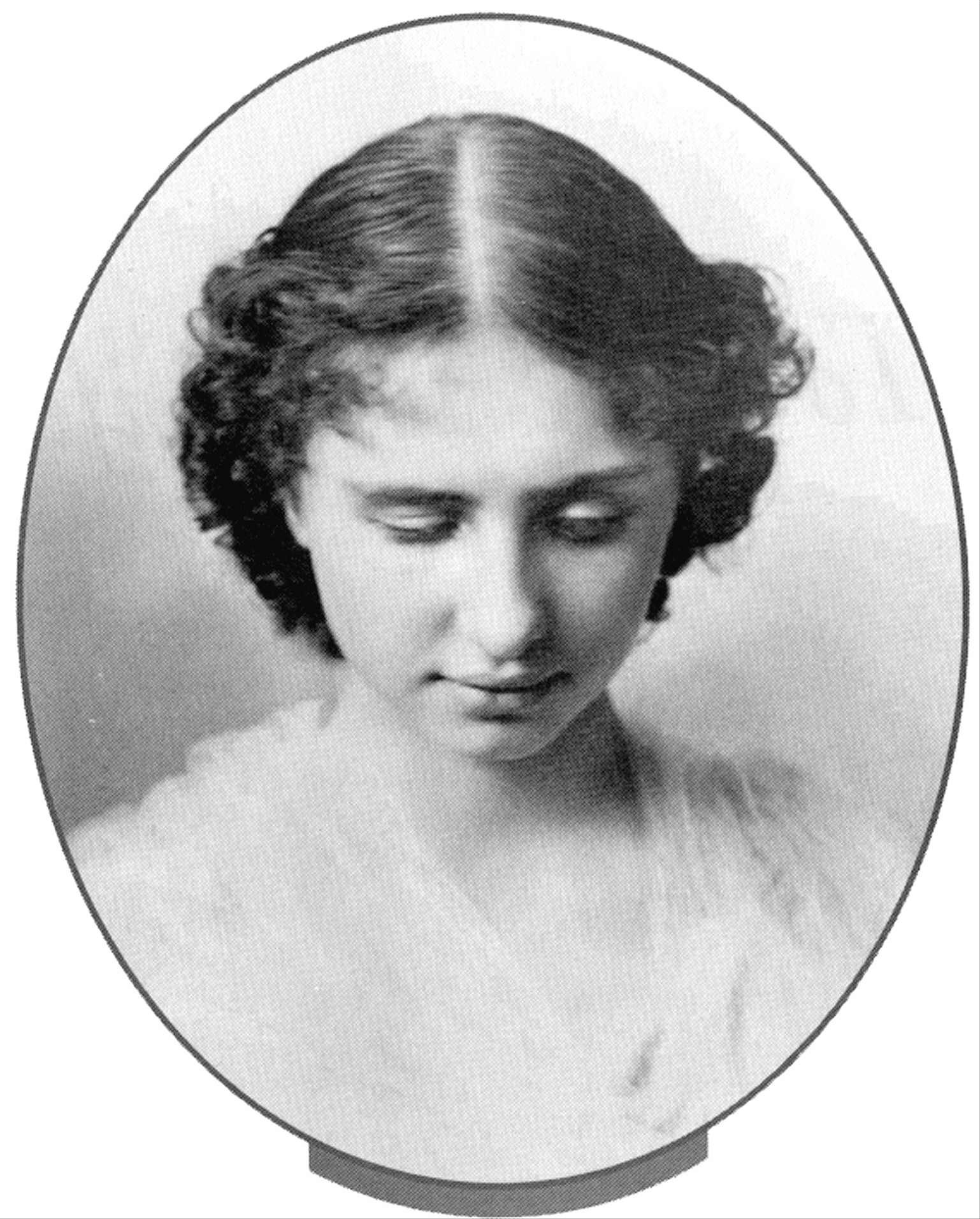
Helen Keller, Helen Adams Keller, Helen Adams Keller (June 27, 1880 – June 1, 1968) – deaf-blind American author, teacher and public figure.
Helen Keller was born June 27, 1880 in the estate of Ivy Green in the family of Captain Arthur Keller and Kate Adams Keller. In the first half year of life, she was otherwise healthy child until the age of 19 months it is not struck by an illness that doctors have identified as “severe blockage of blood vessels of the stomach and the brain.” Apparently, it was a scarlet fever or meningitis. The illness did not last long, however, Helen deprived of hearing and vision. For seven years she came up with more than 60 different signs to communicate with her family.
In 1886, her mother Kate Keller, inspired by the example of successful teaching blind and deaf Laura Bridgman, went to Baltimore to a doctor specializing in problems of the deaf-blind. He introduced her to the famous scientist Alexander Graham Bell, who at the time worked with deaf children. Bell advised the parents to contact Helen Perkins School for the Blind in Boston, Massachusetts, where previously studied Bridgeman. The school allocated for teacher Anne Sullivan, Helen, who was then only 20 years old and which is itself the impairment. Their meeting opened during the length of the joint work of 49 years.
Sullivan demanded from the father to the girl isolated from the rest of the family in a small house in the garden. Her first task was to instill the concept of discipline unruly Helen. Breakthrough in communication with her was when Helen suddenly realized that special touch to Anne her hand, which she committed her hand spraying with cold water, the meaning of “water”. After that, she literally exhausted Sullivan demanding more and more new names for the objects around her, including a doll given to her.
In 1890, when Helen Keller was 10 years old, she told the story of a blind and deaf girl from Norway Ragnilde Kaata (Ragnhild Kaata), which was able to learn to speak. Inspired by her example, under the direction of Sullivan, Helen learned to consciously think and speak according to the method Thad: touching the lips speaking person, she felt their vibration, while Sullivan denoted by the letters on her palm. Helen also learned to read in English, French, German, Greek and Latin in Braille.
In 1888, Helen started attending classes at the Perkins School for the Blind. In 1894, Helen and Anne moved to New York, where he began to attend school Wright-Humason for the deaf.
In 1898, they returned to Massachusetts, where Helen entered the Cambridge School for girls in 1900 and soon received permission to enroll at Radcliffe College.
Four years earlier, in May 1896, Mark Twain and Henry Rogers (English article on Rogers), businessman and philanthropist, Keller saw sixteen the first time in New York, at the house of writer-editor Lawrence Hutten. In 1900, Mark Twain, a fan of abilities and talents of Helen, asked in a letter to the wife of his friend Emil Rogers. Twain said about Helen as “a wonderful child,”and expressed hope that she would not have to leave school due to poverty. He called Emil talk with Rogers, to remind him that the first impression that Helen made on both four years ago and also to talk with the other heads of”Standard Oil”(Rogers is the co-owner, vice-president and chairman of the executive committee of the company) that you can do for meritorious Miss Keller. Henry Rogers responded very generously. He and his wife carried out a higher education for Helen Radcliffe. They even supported Helen, many years later, a monthly stipend. The fact that Helen was grateful obvious dedication of her book,”The world in which I live”, in the words “Henry Rogers, my dear friend for many years.”On a personal copy of the package insert themselves Rogers, she wrote,”Mrs. Rogers, the best of the world in which I live has the kindness of friends like you and Mr. Rogers.” To Mrs Rogers ..
In 1904, at age 24, Helen graduated from Radcliffe.
In 1909, Keller joined the Socialist Party of Massachusetts and remained a member until 1921 g of it.
In 1916, Helen was engaged, but parents proznav the engagement, the groom did not deem it worthy, and the marriage was upset – the novel survived only a few letters, punctured Braille.
Helen Keller earned a living publications and lectures – along with Anne, they toured the United States and around the world, and when Anne health deteriorated, she was hired as an assistant Polly Thomson, who also forever in the closest circle of friends. In the best of times on lecture tours revenues amounted to two thousand dollars, very considerable money at that time. But during the war, fewer opportunities. In 1919, Helen Keller starred in a movie called “broken the yoke,” tells the story of her life. On this film were high financial expectations, but at the reviews of it were the most warm, he did not bring the money.
In the 20s Keller begins a multi-year campaign to raise funds for the American Foundation for the Blind – their motives, she unhesitatingly presented as a desire to help those less fortunate than her. Keller visited 35 countries of 5 continents. In 1955, when she was 75, she made a 5-month tour of Asia for the benefit of the blind. She met with Charlie Chaplin and President Kennedy, with Prime Minister Nehru and King George.
In 1936, it suffered a heavy loss – died beloved mentor and eternal companion Anne Sullivan Macy. Keller dedicated her one of his most moving books, “teacher”. Anne has taken place already mentioned Polly Thomson but Helen Keller was prepared for a long life, and in 1960, Thomson also died. The feat was completed, came years of peace, and the world, made up of thousands of hard-won said, was once again fall to the letter.
Helen Keller died in his sleep June 1, 1968, 26 days before his 88th birthday. Memorial service was held for her at the Washington National Cathedral. The urn with her ashes is installed in the wall of the cathedral, the same place where the ashes of her teacher Anne Sullivan and Polly Thompson.
Helen Keller, aged eight years, with the teacher Anne Sullivan on vacation, July 1888 (photo found in 2008)
Helen Keller was born June 27, 1880 in the estate of Ivy Green in the family of Captain Arthur Keller and Kate Adams Keller. In the first half year of life, she was otherwise healthy child until the age of 19 months it is not struck by an illness that doctors have identified as “severe blockage of blood vessels of the stomach and the brain.” Apparently, it was a scarlet fever or meningitis. The illness did not last long, however, Helen deprived of hearing and vision. For seven years she came up with more than 60 different signs to communicate with her family.
In 1886, her mother Kate Keller, inspired by the example of successful teaching blind and deaf Laura Bridgman, who described Charles Dickens in his “American Notes”, went to Baltimore to a doctor specializing in problems of the deaf-blind. He introduced her to the famous scientist Alexander Graham Bell, who at the time worked with deaf children. Bell advised the parents to contact Helen Perkins School for the Blind in Boston, Massachusetts, where previously studied Bridgeman. The school allocated for teacher Anne Sullivan, Helen, who was then only 20 years old and which is itself the impairment. Their meeting opened during the length of the joint work of 49 years.
Helen Keller with her teacher Anne Sullivan.
Sullivan demanded from the father to the girl isolated from the rest of the family in a small house in the garden. Her first task was to instill the concept of discipline unruly Helen. Breakthrough in communication with her was when Helen suddenly realized that special touch to Anne her hand, which she committed, pouring cold water on her hand, the meaning of “water”. After that, she literally exhausted Sullivan demanding more and more new names for the objects around her, including a doll given to her.
In 1890, when Helen Keller was 10 years old, she told the story of a blind and deaf girl from Norway Ragnilde Kaata (Ragnhild Kaata), which was able to learn to speak. Inspired by her example, under the direction of Sullivan, Helen learned to consciously think and speak according to the method Thad: touching the lips speaking person, she felt their vibration, while Sullivan denoted by the letters on her palm. Helen also learned to read in English, French, German, Greek and Latin in Braille.
Education
In 1888, Helen started attending classes at the Perkins School for the Blind. In 1894, Helen and Anne moved to New York, where he began to attend school Wright-Humason for the deaf.
In 1898, they returned to Massachusetts, where Helen entered the Cambridge School for girls in 1900 and soon received permission to enroll at Radcliffe College.
Four years earlier, in May 1896, Mark Twain and Henry Rogers, businessman and philanthropist, Keller saw sixteen the first time in New York, at the house of writer-editor Lawrence Hutten. In 1900, Mark Twain, a fan of abilities and talents of Helen, asked in a letter to the wife of his friend Emil Rogers. Twain said about Helen as “a wonderful child,”and expressed hope that she would not have to leave school due to poverty. He called Emil talk with Rogers, to remind him that the first impression that Helen made on both four years ago and also to talk with the other heads of”Standard Oil”(Rogers is the co-owner, vice-president and chairman of the executive committee of the company) that you can do for meritorious Miss Keller. Henry Rogers responded very generously. He and his wife carried out a higher education for Helen Radcliffe. They even supported Helen, many years later, a monthly stipend. The fact that Helen was grateful obvious dedication of her book,”The world in which I live”, in the words “Henry Rogers, my dear friend for many years.”On a personal copy of the package insert themselves Rogers, she wrote,”Mrs. Rogers, the best of the world in which I live – the kindness of friends, like you and Mr. Rogers.” To Mrs Rogers ..
In 1904, at age 24, Helen with distinction (cum laude) graduated from Radcliffe, becoming the first deafblind person to receive higher education.
In July 1937, Helen Keller visited Akita prefecture to learn about Hachiko – famous dog breed Akita Inu, who died in 1935. She told local residents that would like to get a dog of this breed. A month later, she gave a dog named kamikaze th. The dog soon died of distemper, and then in July 1939, the Japanese government gave Helen her older brother – Kenzan-go.
It is believed that Keller introduced America to Akita kamikaze through the first and second Kenzan. In 1938 the breed standard was approved (breed standard), and held several exhibitions of Akita Inu, interrupted with the beginning of World War II. [1] [2]
In “Diary of Akita” Keller wrote:
«If there was ever an angel in the skin, then it was a kamikaze. I know I’ll never feel the same tenderness for any other pet. This Akita has all the qualities that attracted me, gentleness, sociability and reliability ».
Now, this breed is also known as the “American Akita».
Information from Wikipedia
References
The Frost King (1891)
The Story of My Life (1903) – “The story of my life.” 2003
Optimism. an essay (1903)
The World I Live In (1908)
Out of the Dark (1913)
My Religion (Light in my Darkness) 1927
Helen Keller’s journal 1936-1937 (1938)
Teacher: Anne Sullivan Macy; a tribute by the foster-child of her mind (1955)
Helen Keller, her Socialist years; writings and speeches (1967)
Helen Keller. selected writings (2005)
Despite the fact that Keller could not write her own, she is the author of seven books. One of them – autobiographical novel «The history of my life» («Story of my life») . in 2003, published in Russian.
Titles, awards and prizes
1. September 14, 1964 US President Lyndon Johnson awarded Helen Keller the Presidential Medal of Freedom, one of the two highest civilian honor the United States.
September 14, 1964 US President Lyndon Johnson awarded Helen Keller the Presidential Medal of Freedom, one of the two highest civilian honor the United States.